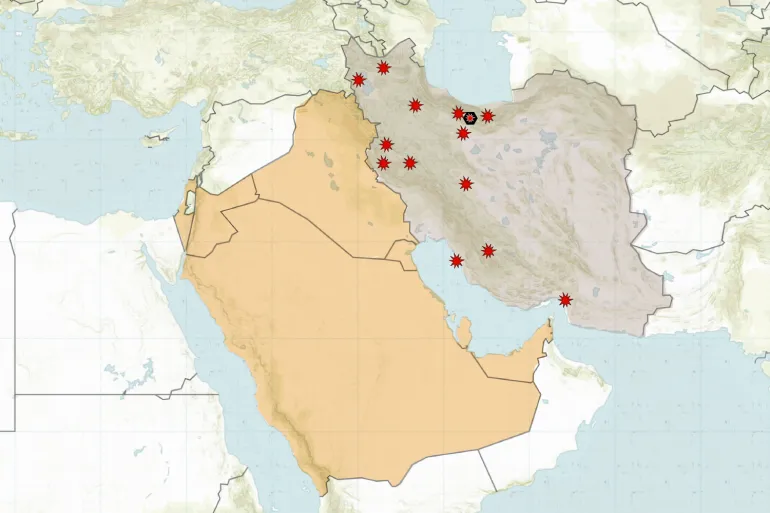
US–Iran Conflict and Middle East Tensions continue to influence international politics, energy markets, and global security strategies. The long-standing rivalry between the United States and Iran has shaped diplomatic relations, military alliances, and economic policies across the region.
In recent years, geopolitical developments such as proxy conflicts, sanctions, and military deployments have intensified uncertainty in the Middle East. Countries in the region are carefully balancing their political and economic interests while global powers monitor the situation closely.
For policymakers, investors, and international observers, understanding the US–Iran Conflict and Middle East Tensions is essential because the outcomes could affect global trade routes, oil supply stability, and international diplomacy.
What Is the US–Iran Conflict and Middle East Tensions?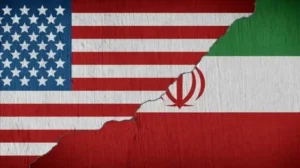
The US–Iran Conflict and Middle East Tensions are rooted in decades of political disagreements, ideological differences, and strategic competition.
One major factor is Iran’s regional influence. The country has established political and military relationships with various groups and governments across the Middle East. These alliances are often viewed by the United States and its allies as a challenge to regional stability.
Economic sanctions imposed by Washington have also played a significant role. The sanctions target Iran’s financial system, oil exports, and international trade relationships. Iran has repeatedly criticized these measures, calling them unfair restrictions on its economic growth.
Another major issue is Iran’s nuclear program. Western nations remain concerned about nuclear development, while Tehran insists that its program is meant for peaceful energy purposes. This disagreement has been a major source of diplomatic tension.
Global Impact of US–Iran Conflict and Middle East Tensions
The US–Iran Conflict and Middle East Tensions extend far beyond the region and influence international relations worldwide.
First, energy markets often react quickly to geopolitical developments. The Middle East holds some of the world’s largest oil reserves, and any instability can cause fluctuations in global oil prices. Investors and governments closely monitor developments because disruptions could affect fuel costs and economic growth.
Second, security alliances are continuously evolving. Countries in the Gulf region have strengthened defense partnerships with Western nations while simultaneously exploring diplomatic engagement with Iran.
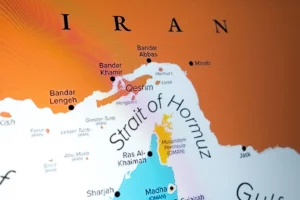
Third, global shipping routes may also be affected. Strategic waterways like the Strait of Hormuz are vital for international trade, and tensions in the region can raise concerns about shipping safety.
For further background, readers can explore global security analysis from organizations like the United Nations and the International Crisis Group.
Possible Future of US–Iran Conflict and Middle East Tensions
Experts suggest several potential outcomes for the US–Iran Conflict and Middle East Tensions.
One scenario involves renewed diplomatic negotiations. International mediators have occasionally attempted to revive agreements aimed at reducing nuclear tensions and improving regional cooperation.
Another possibility is continued strategic competition without direct confrontation. Both countries may rely on diplomatic pressure, economic policies, and regional alliances to protect their interests.
A third scenario includes increased regional dialogue. Some Middle Eastern countries have recently attempted to improve relations with Iran in order to stabilize the region and reduce conflict risks.
While predicting the future is difficult, global leaders continue to emphasize diplomacy as the most sustainable path toward long-term peace.
Conclusion
The US–Iran Conflict and Middle East Tensions remain one of the most important geopolitical issues shaping international politics today. The rivalry affects regional alliances, economic stability, and global energy markets.
Although diplomatic negotiations occasionally offer hope for improved relations, underlying strategic disagreements continue to challenge long-term solutions. Governments, analysts, and global institutions will continue monitoring developments closely.
Understanding the causes and consequences of these tensions helps citizens and policymakers better prepare for the potential impact on international security and economic stability.
FAQs
1. What caused the US–Iran Conflict and Middle East Tensions?
The tensions stem from political disagreements, economic sanctions, regional power competition, and concerns over Iran’s nuclear program.
2. Why is the Middle East important in this conflict?
The region is strategically important due to energy resources, trade routes, and geopolitical alliances.
3. How does the conflict affect global oil prices?
Instability in the Middle East can disrupt oil supply expectations, which often causes fluctuations in global energy markets.
4. Could diplomacy reduce the tensions?
Diplomatic negotiations and international agreements have previously helped reduce tensions and could potentially do so again.
5. Why do global powers monitor this situation closely?
Because the outcome could influence international security, economic stability, and global political alliances.