Airline Partnerships 2026 are silently changing the way the world hovers. Not with noise. With coordination. One agreement at a time.
A traveler in Jaipur books a ticket to Toronto. One payment. One itinerary. Three airlines behind the scenes. Earlier, this would mean separate bookings, missed connections, anxiety at transfer desks. Now it feels… oddly simple. Almost too smooth.
Airlines that once competed fiercely are now collaborating on select routes. Sharing planes. Sharing passengers. Even sharing loyalty perks. For international students, business travelers, and digital nomads, this shift isn’t just industry news. It’s relief.

Airline Partnerships 2026: What Tourists Need to Know
The goal sounds technical, but the impact feels personal — make international travel less exhausting.
Through code shares, joint projects, and alliance growths, airlines sell seats on each other’s airlifts as if they were their own. Schedules line up better. Layovers shrink. Confusion reduces (most of the time).
What this means for passengers:
- One-ticket journeys across multiple airlines
- Bags checked through to the final destination
- Shared frequent-flyer points
- Access to cities you couldn’t reach easily before
Major alliances like Star Cooperation, SkyTeam, and Oneworld are also pulling lesser regional carriers into their webs. Suddenly, smaller cities are no longer so isolated. A town that needed two domestic hops now connects to a global hub in one go. Feels like geography is decreasing.
Industry coordination is often guided by groups such as the International Air Transport Association, which helps standardise how airlines cooperate. Sounds boring. Actually very powerful.
For official travel updates, refer to global aviation resources like the International Air Transport Association (IATA):
New International Routes Driven by Partnerships
Here’s where things get exciting.
Some routes never existed because they weren’t profitable for a single airline. Too risky. Too expensive. Partnerships change that math. Costs are shared. Planes are filled better. Suddenly, a direct flight between two “secondary” cities becomes possible.
Trends showing up in 2026:
- Direct flights between non-capital cities
- More connections linking Asia, Europe, and North America
- Tourism routes opening to lesser-known destinations
- Tougher links to Africa and Latin America
A couple from a smaller Indian city can now reach Europe without an overnight airport stay in Delhi or Mumbai. That alone changes who gets to travel.
Airports and route planning bodies like Airports Council International are also pushing for these expansions. More routes mean more passengers. More passengers mean more growth. A cycle that feeds itself.
Ticket prices? Not always cheaper. But more stable. Less sudden spikes. More choices, at least.
You can explore route expansions and airport insights here:
How Partnerships Are Changing the Travel Experience
The improvements don’t stop at routes. The journey itself feels different now.
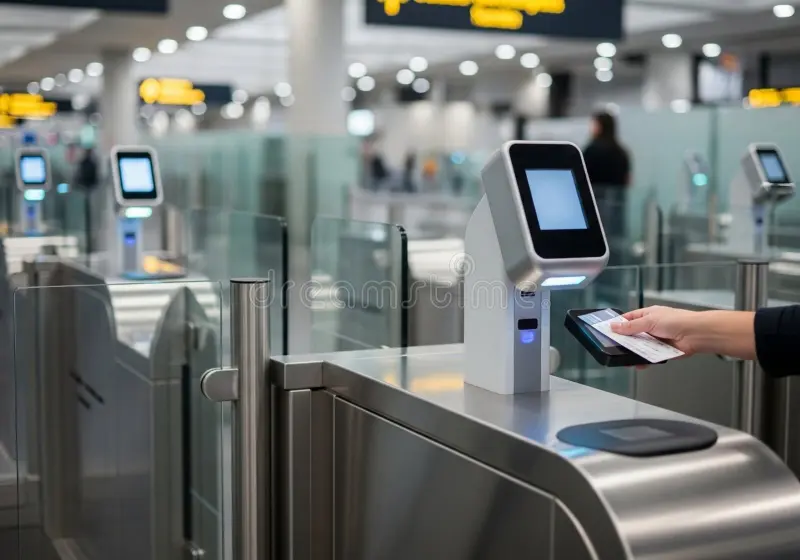
- You check in once. Not three times.
- Your boarding passes appear together.
- Lounges become accessible even when flying a partner airline.
Flight schedules are coordinated so connections aren’t painfully tight or absurdly long. Though sometimes delays still happen. Aviation is still aviation.
Frequent travelers notice the biggest change. Loyalty programs now talk to each other. Points earned on one airline can be used on another. It feels like currencies finally became exchangeable.
Customer support is also more unified. If something goes wrong, you’re not bounced between airlines as much. At least in theory.
Conclusion
Airline Partnerships 2026 are less showy than new aircraft presentations or airport mega-projects. But their impact is deeper. Structural. They quietly remove friction from travel.
More destinations open up.
Connections feel manageable.
Global movement becomes normal, not stressful.
For students leaving home for the first time. For professionals chasing opportunities abroad. For families meeting after years apart. These partnerships matter in ways spreadsheets can’t show.
And this is probably just the beginning.
FAQs
Q1. What are airline partnerships?
Agreements where airlines coordinate flights, routes, and passenger services instead of operating entirely alone.
Q2. How do they benefit travelers?
Simpler bookings. Better connections. Wider destination access. Less chaos.
Q3. Do partnerships reduce ticket prices?
Sometimes. Mostly they stabilize fares and increase options rather than making everything cheap.
Q4. Can loyalty points be shared?
Yes, most alliance networks allow earning and redeeming across member airlines.
Q5. Will more routes be added?
Very likely. Demand for global travel keeps rising, and partnerships make expansion safer for airlines.