New Travel Rules 2026 are changing the way people travel across borders, introducing stricter documentation, smart airport technology, and new tourist regulations. Governments are focusing on security, health safety, and managing visitor numbers, which means travelers must be more prepared than ever. Missing a requirement could lead to delays, fines, or even denied entry. Understanding these changes before booking your trip will help you travel confidently and avoid last-minute surprises.
Updated Passport and Visa Requirements
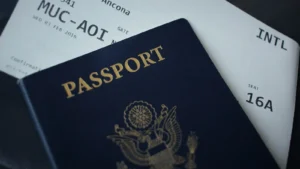
Travelers must check passport validity and visa permissions before booking anything. Not later. Before.
Many countries now want passports valid for six months after you return. Some even more strict. Digital visa systems are spreading everywhere, especially across Europe where the European Commission is tightening pre-travel screening.
A traveler from Delhi recently shared how he almost missed his flight to Paris because his passport had only five months validity left. Close call. Very close.
Key things to remember:
-
Apply for e-visas early, approvals can take time
-
Keep both printed and phone copies (phones die, paper doesn’t)
-
Sometimes you must show hotel bookings and enough money proof
-
Transit visas matter now, even for short layovers
Check embassy sites. Rules change without warning. Seriously.
Smart Airports and Baggage Policies
Airports feel different in 2026. Less human. More machines watching quietly.
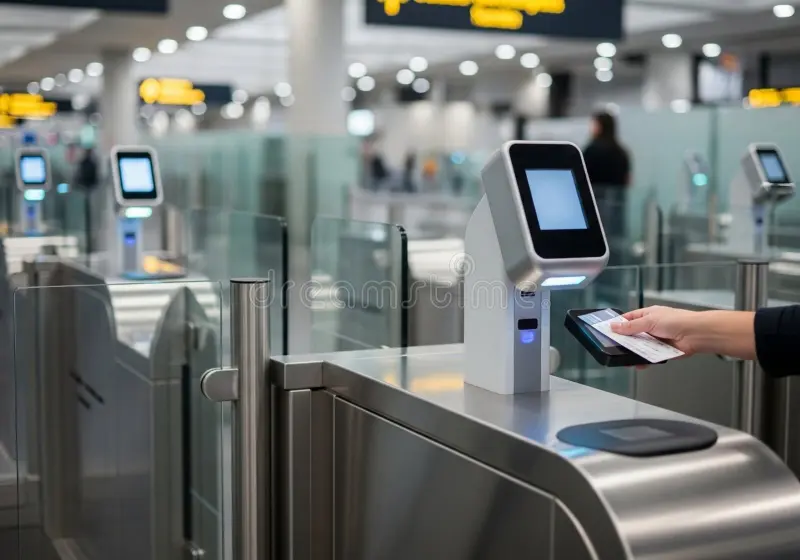
Biometric gates scan your face instead of checking boarding passes. Security lines move faster, yet somehow feel stricter. Groups like Airports Council International are pushing these upgrades worldwide.
You might notice:
-
Cameras verifying identity at immigration
-
Self baggage drops with no staff nearby
-
Liquids rules changing again (yes, again)
-
Occasional digital questioning before boarding
A friend described it as “walking through a sci-fi movie set but without the cool music.”
Arrive early. Technology helps, but glitches happen. Always.
Tourist Taxes and Local Regulations
Travel isn’t just about flights anymore. Destinations themselves have new rules.
Crowded cities are charging visitors to enter. Island nations limiting daily tourist numbers. Beaches banning plastics. It feels strict but also understandable. Too many people can damage beautiful places.
The United Nations World Tourism Organization supports these sustainable tourism efforts, encouraging countries to protect culture and nature.
You may face:
-
Tourist taxes added automatically to tickets
-
Required travel insurance at arrival
-
Restrictions on short-term apartment rentals
-
Rules about where you can go and how long you stay
Not knowing these can cost money. Or worse, ruin plans.
The United Nations World Tourism Organization supports responsible tourism initiatives to protect cultural and natural attractions.

Conclusion
The New Travel Rules 2026 show that travel is no longer carefree. It’s structured now. Digital. Carefully monitored. But not impossible.
Prepared travellers will still enjoy amazing trips. Unprepared ones… not so much.
So check documents twice. Apply early. Read the fine print nobody wants to read. Then go explore the world – because despite all the rules, the excitement of travel is still there. Waiting at the departure gate.
FAQs
1. Why are travel rules stricter in 2026?
To improve safety, manage crowds, and protect destinations from damage.
2. Do tourists need insurance now?
Some countries won’t allow entry without it. Depends where you go.
3. Are biometric airport checks everywhere?
Mostly major international airports. Smaller ones, not yet.
4. What is a tourist tax?
A fee visitors pay to support local infrastructure and environment protection.
5. How to stay updated?
Check airline emails, embassy sites, and official tourism portals before traveling.